New Breakthrough Set to Make Gene Therapy Safer and More Accessible

New Breakthrough Set to Make Gene Therapy Safer and More Accessible

A major discovery by Dr Chuck Bailey and his team, published in Cell, has revealed a new entry pathway for adeno-associated virus (AAV) vectors. A breakthrough that could dramatically reduce treatment doses and improve the safety of gene therapy.

Over the past year, Dr Bailey has secured $3.0M in NHMRC Ideas Grants and advanced this work through AAVec Bio, a Centenary Institute–owned startup developing safer, lower-cost AAV technologies. His team is also pioneering an innovative CAR T cell approach that reprograms immune cells inside the body, with promising applications for pancreatic cancer and mesothelioma.

The Leadership League: Where Rugby League Icons Inspire Leadership for a Cause

The Leadership League: Where Rugby League Icons Inspire Leadership for a Cause

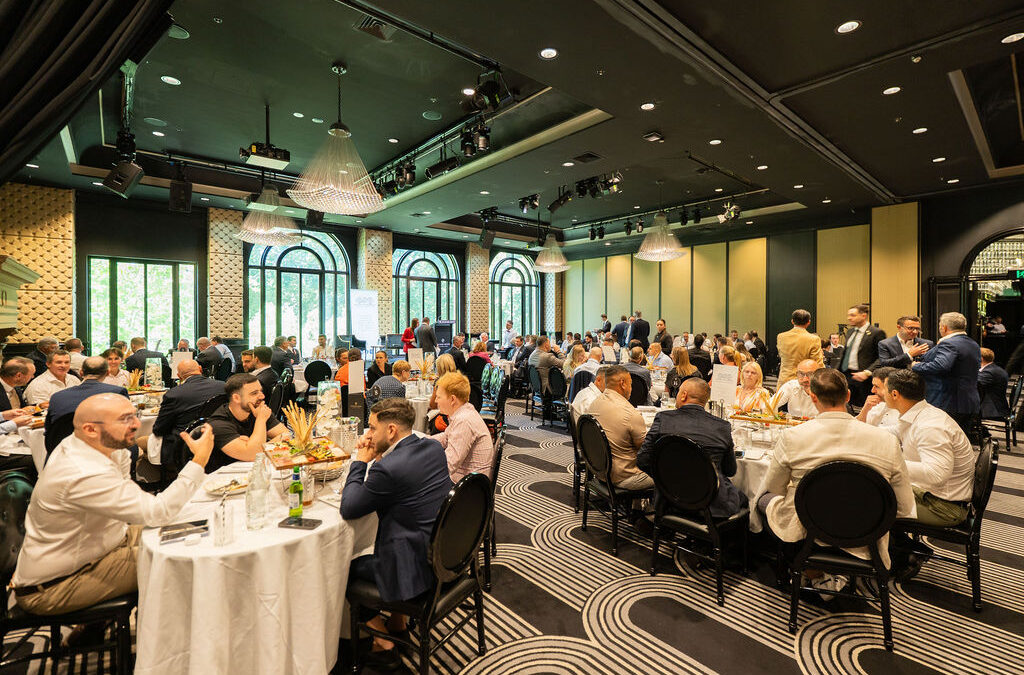
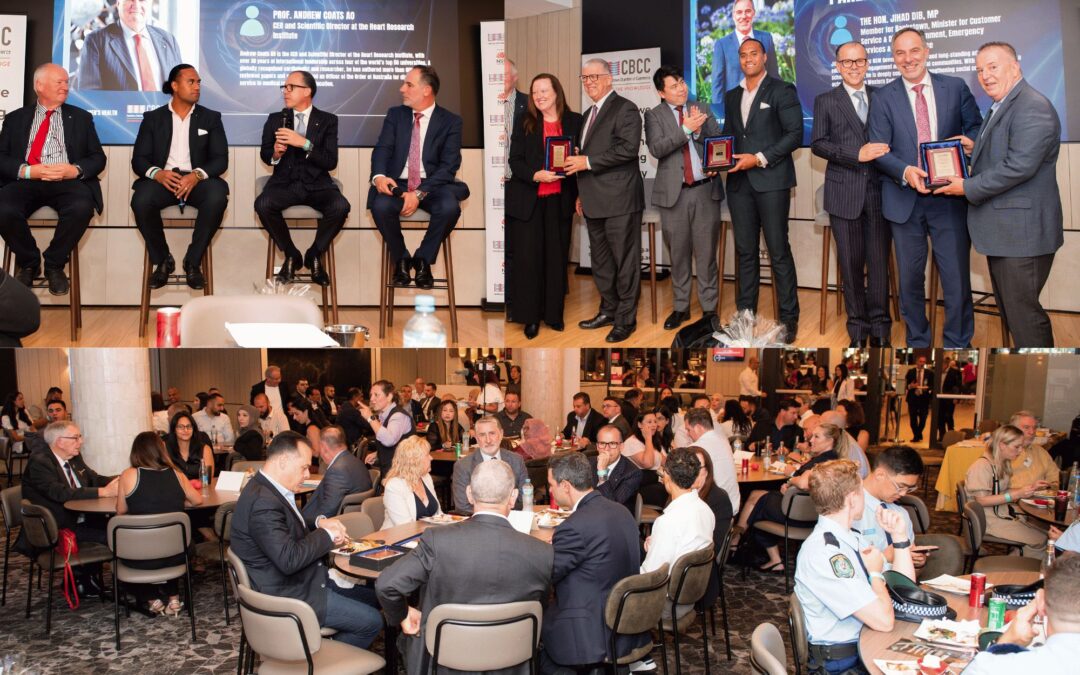
The Leadership League launched its inaugural corporate speaking series last night, bringing together Rugby League greats Wayne Bennett and Phil “Gus” Gould to explore what authentic leadership truly means. Their wisdom sparked powerful conversations… and real impact.

The purpose of The Leadership League is to raise vital funds for Cure The Future Foundation, supporting groundbreaking research into cures for incurable diseases. Corporate supporters, guests, and partners came together to learn, connect, and contribute to life-saving medical breakthroughs.

Special thanks to our corporate supporters and the CTFF Board, led by Diane Langmack OAM, for making this possible. The energy, engagement, and generosity in the room proved this inaugural Leadership League was an extraordinary success.

A new platform for Leadership. A new way to drive change. And a powerful start to something much bigger.

Equipment needed

This is the equipment needed to continue and expand the research Professor Rasko and his team are doing to try and find a cure for cancer and other inherited diseases.

These items can be purchased and donated by an individual, a Family or a Company and would be credited accordingly.

Please contact us to discuss further, using the form below.

X-Cell SureLock Minicell $1250

Apparatus for analysing protein samples  for our gene and cancer projects. This equipment uses “electrophoresis” to separate proteins based on electrical charge and molecular weight.

Gilson Pipettes - $2000

Our ‘tools of the trade’, these pipettes enable us to accurately measure and dispense very small volumes of liquid for molecular and cellular biology experiments.

Eppendorf MasterCycler Pro 2 x $10,000

These polymerase chain reaction (PCR) machines are based on a Nobel Prize winning discovery. They operate as ‘DNA factories’ enabling large amounts of DNA to be synthesised specifically for the purpose of measuring gene expression or molecular cloning.

Eppendorf ThermoMixer C $5000

This heating incubator enables simultaneous heating and mixing for different sized reaction tubes. Importantly this allows excellent reproducibility for our demanding molecular biology experiments.

Your Donations Make a HUGE Impact

Flesh Made New OUT NOW!

Today was the launch of a new book by Prof. John Rasko and Dr. Carl Power: “Flesh Made New: The Unnatural History and Broken Promise of Stem Cells”.   flesh made new For decades, we’ve been anticipating the dawn of regenerative medicine. Again and again, we’ve been promised that stem cells will soon cure just about every ill imaginable. If not tomorrow, then the next day, or the day after that, and so on. We’re still waiting. This book is an antidote to hype and a salve to sooth the itch for stem-cell salvation. In it, Professor John Rasko, a leading physician-scientist, and writer-historian Carl Power take us on a wild historical tour of this scandal-prone field. They expose all the dirty little secrets that the hype merchants prefer to ignore – the blunders and setbacks, confusions and delusions, tricks and lies. Is there any good news? Which of the many promises of stem-cell research have been kept? And what of the future? Rasko and Power insist that we can only know where we’re going if we have a sense of where we’ve been. Their study tears down the hype surrounding stem cells in order to reveal what’s still worth hoping for.